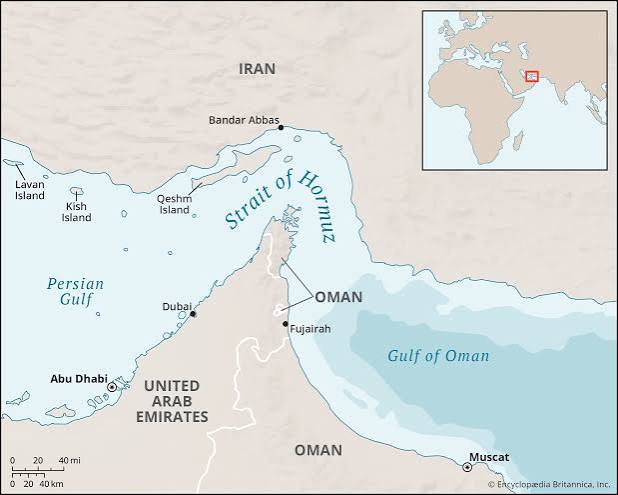
A New Toll Looms Over One of the World's Busiest Waterways
For decades, the Strait of Hormuz has quietly done some of the heaviest lifting in global trade, carrying roughly a fifth of the world's crude oil and liquefied natural gas past its shores. That flow was disrupted when Iran effectively shut the strait during its recent war with the United States, a closure that sent energy prices climbing worldwide. Now, with the guns quiet and a fragile deal in place, Tehran is signaling that passage through Hormuz will no longer be free — though it hasn't said exactly what it will cost.
The Announcement, Straight From Beijing
Speaking Saturday at the World Peace Forum in Beijing, Iran's ambassador to China, Abdolreza Rahmani Fazli, confirmed that new fees are coming for vessels transiting the strait — an idea the United States has already rejected. He framed it plainly: Iran considers Hormuz part of its territorial waters, and it intends to charge for passage.
"As a country where the Hormuz is part of its territorial waters, we will definitely charge service fees," Rahmani Fazli said, while insisting the charge would not amount to a toll.
He was careful to note that Iran isn't acting alone on this. According to the ambassador, Tehran is working in what he called "collaboration and cooperation" with Oman to shape the details of these new arrangements.
What the Fees Are Actually For
Rather than a simple pay-to-pass toll, Rahmani Fazli described a broader set of arrangements covering the security of ships moving through the strait, oversight of vessel passage, and managing the environmental strain of the sheer volume of traffic the waterway sees.
"These new arrangements will be concerning guaranteeing the security of passage through the Straits of Hormuz, supervision of the passage of the vessels... and also guaranteeing and dealing with the environmental consequences of the massive number of ships," he said.
Friends Get Treated Differently
Not every country is likely to be charged the same way. The ambassador said nations that stood by Iran through the recent conflict can expect to be treated more favorably, though he stopped short of naming which countries that would include or what form the leniency would take.
"We will definitely consider special treatment for the countries that were friendly to us and specially stood by us during the hard times," he added.
A Countdown Already Running
Here's the part traders and shipping companies actually need to watch: the deal that ended the Iran-US war included a 60-day window during which commercial vessels transit the strait completely free of charge. That clock is already ticking, and it remains unclear what replaces it once the 60 days run out.
- The current free-transit arrangement is temporary and tied to the ceasefire deal, not a permanent policy.
- Washington has already rejected the idea of new fees, setting up a point of friction in the broader peace process.
- No fee schedule, rate, or start date has been published — only the intent to charge has been confirmed.
Why This Matters Beyond Shipping
A dispute over Hormuz fees isn't just a shipping-industry footnote — it sits right at the intersection of energy prices, freight costs, and US-Iran diplomacy. Given how much oil and gas moves through this single chokepoint, even the uncertainty around future fees can feed into pricing for energy-linked assets and currencies tied to oil-exporting economies. Whether Iran's plan holds, gets negotiated down, or gets shelved as part of a wider settlement is likely to stay an open question for as long as the broader peace talks continue.
Trader sentiments
"Given the unresolved fee structure and the strait's role in global oil and gas shipments, traders and market participants may view this as a source of uncertainty, with concerns centering on potential disruptions to global trade and shipping costs."