Unpacking the Trader's Dilemma
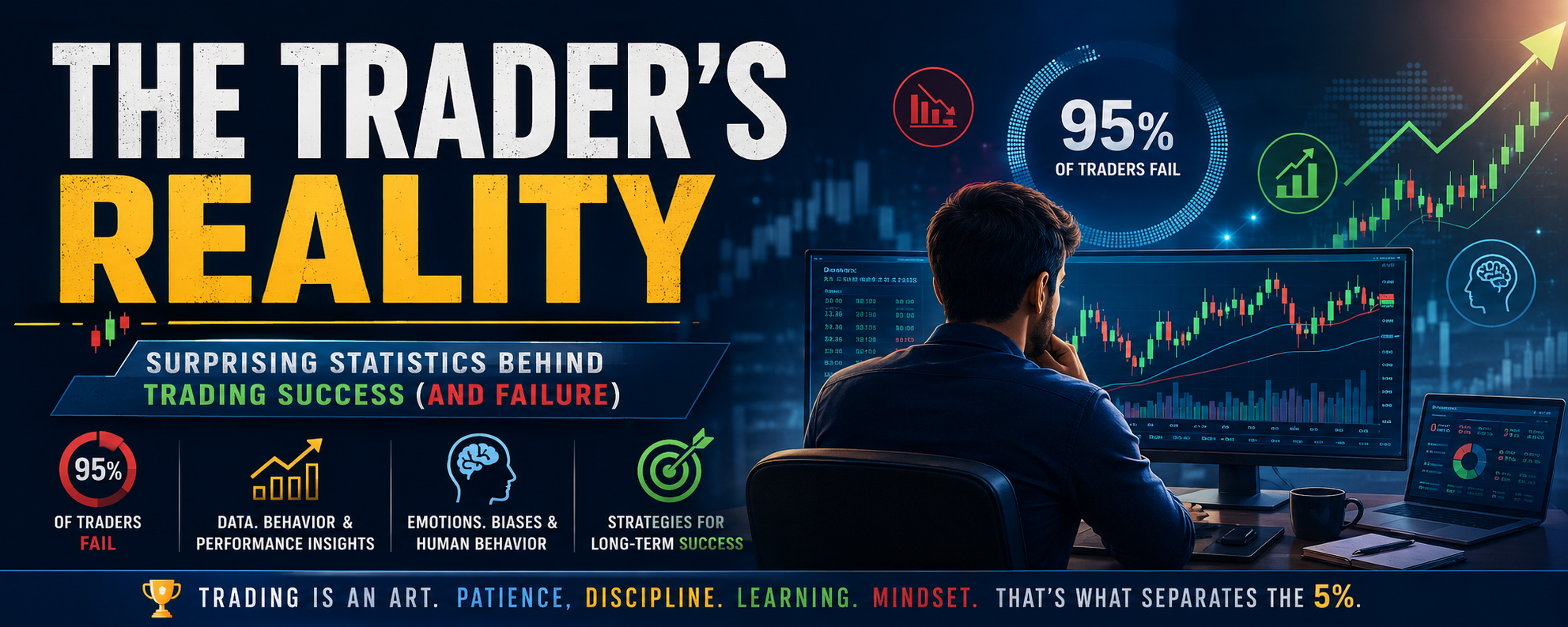
It’s a commonly cited statistic that 95% of traders ultimately fail. Yet, intriguingly, no formal research backs this figure, suggesting that the reality could be even more sobering. A deep dive into broker data and trader performance reveals a wealth of surprising statistics that shine a light on the reasons behind these disheartening outcomes.
The Harsh Reality of Day Trading
To begin with, the statistics surrounding day trading are stark. A staggering 80% of day traders abandon their pursuits within the first two years. Moreover, a sizable portion—nearly 40%—ceases trading after just a month. As time marches on, longevity in this field dwindles; only 13% continue after three years, and a mere 7% remain active after five years.
Behavior Patterns and Performance
When it comes to decision-making, traders often exhibit notable tendencies. For instance, they are prone to selling winning trades at a rate 50% higher than losing ones, with 60% of their sales being profitable while only 40% are not. This emotional bias can lead to detrimental long-term results. In fact, individual investors underperform market indices by an average of 1.5% annually, while active traders lag even further behind, missing the mark by 6.5% each year.
Profits Are Elusive
Although some day traders with strong historical performance can replicate their success, only about 1% manage to do so consistently after accounting for fees. Alarmingly, many traders persist in their efforts despite a decade of losses, indicating a stubbornness that can cloud judgment.
The Profile of a Profitable Trader
Among traders, only 1.6% achieve profitability in any given year. Yet, these successful individuals are highly active, contributing to 12% of all day trading transactions. Interestingly, profitable traders tend to increase their trading volumes more than those who are not successful, suggesting a correlation between confidence and activity.
Emotional and Cognitive Biases
Research indicates that financial behaviors are often influenced by emotional factors. Individuals with lower incomes tend to allocate a larger portion of their earnings toward lottery tickets, a tendency that grows as their financial situations worsen. This same demographic often opts for riskier stocks when their current economic conditions diverge from their aspirations.
Gender and Trading Behavior
Gender dynamics also play a role in trading habits. Studies show that men engage in trading more frequently than women, with unmarried men trading even more than their married counterparts. Additionally, young men from disadvantaged backgrounds are likely to invest in stocks with lottery-like characteristics, further complicating their financial futures.
The Cycle of Loss and Recovery
Investors have a tendency to sell stocks that have appreciated while clinging to those that have depreciated, a pattern that can lead to further losses. In Taiwan, for example, individual investors’ trading activity dropped significantly when a lottery was introduced, illustrating how external factors can impact trading behavior.
The Importance of Learning and Strategy
Many traders approach the market without a solid educational foundation, mistaking trading as a form of entertainment rather than a serious profession that requires skill and dedication. It’s crucial to recognize that trading is not a quick path to wealth. Instead, it demands a disciplined approach, ongoing learning, and a realistic perspective on what one can achieve within a year.
Final Thoughts
As we reflect on these statistics, it becomes clear why many traders struggle to find success. Decisions driven by emotion, lack of research, and an unrealistic view of trading can lead to poor performance. Keep in mind that trading is an art that requires patience and practice, and with the right mindset, you can navigate the complexities of the market more effectively.